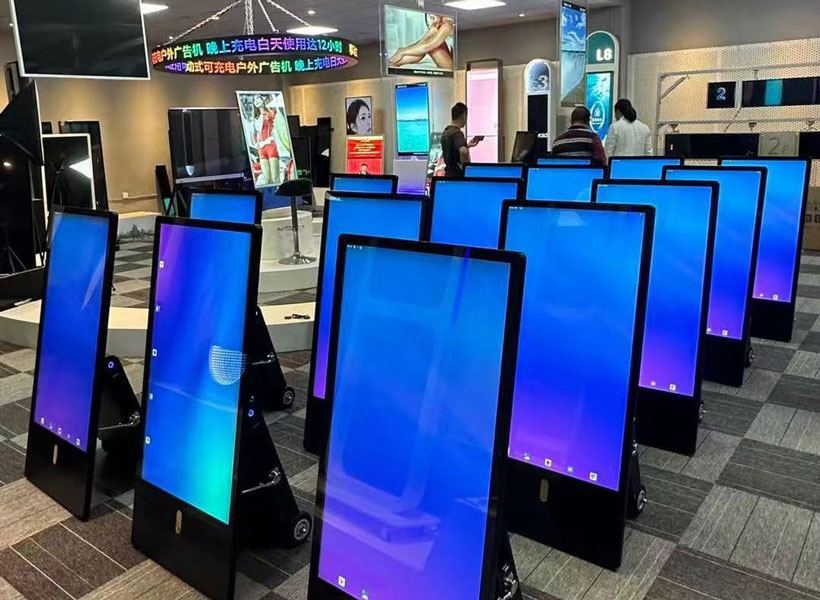
In the contemporary retail landscape, shopping malls are no longer mere transactional spaces; they have evolved into complex ecosystems of entertainment, dining, and social interaction. However, this very complexity often becomes a source of frustration for visitors, particularly in sprawling multi-level complexes where wayfinding becomes a cognitive burden. Traditional static signage—hanging directories, printed maps, or wall-mounted arrows—struggles to keep pace with the dynamic needs of modern shoppers. This is where Touch Interactive LED Signage Indoor for Shopping Mall Customer Guidance emerges as a transformative solution, bridging the gap between digital convenience and physical navigation. By integrating real-time data, intuitive touch interfaces, and high-visibility displays, these systems do not merely direct foot traffic; they enhance the entire customer journey, reduce perceived waiting times, and unlock new revenue streams for mall operators. This article delves into the professional applications, technical advantages, and strategic implementation of such interactive LED systems, with a specific focus on the KTX brand, a recognized leader in high-performance display technology.
Redefining Customer Navigation: From Static Maps to Dynamic Intelligence
The core value proposition of Touch Interactive LED Signage lies in its ability to transform passive wayfinding into an active, personalized experience. Unlike conventional printed directories that become outdated within weeks, a touch-enabled LED display serves as a living database. A shopper searching for a specific brand, a restroom, or the nearest escalator can simply tap the screen, and the system responds with a clear, animated route. For instance, a family visiting a mall on a rainy Saturday might need to locate a kid-friendly café, a parking exit, and a pharmacy simultaneously. The interactive LED wall can plot an optimized multi-stop route, complete with estimated walking times and even real-time congestion alerts based on foot-traffic sensors. This level of granular guidance is impossible with static signage. Moreover, these systems can adapt to the mall’s operational schedule—displaying different information during business hours, after-hours events, or holiday rushes. The KTX brand’s latest indoor LED signage series exemplifies this adaptability, featuring ultra-high refresh rates (above 3840Hz) to eliminate flicker, and anti-glare coatings that ensure readability even under direct skylight or spotlights—a critical factor in mall atriums. The touch layer, built with projected capacitive technology, supports multi-touch gestures, allowing users to pinch, zoom, and swipe through floor plans with the same fluidity they expect from a smartphone. This intuitive interaction drastically reduces the learning curve, ensuring that even elderly shoppers or children can navigate effortlessly.
Technical Architecture: Durability, Brightness, and Real-Time Integration
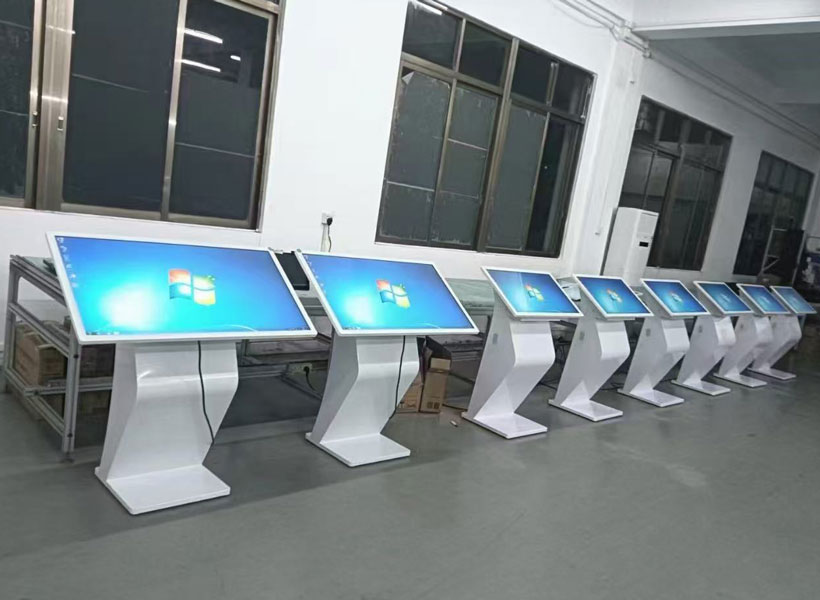
From a professional standpoint, the success of an interactive wayfinding kiosk hinges on its hardware robustness and software ecosystem. Shopping malls are high-traffic, high-vandalism environments. A typical LED touch display must withstand constant finger taps, accidental bumps from shopping carts, and exposure to dust, humidity, and temperature fluctuations. KTX addresses these challenges through a modular design that separates the LED panel from the touch sensor, allowing for rapid field replacement of damaged components without dismantling the entire unit. The LED panel itself uses SMD (Surface-Mounted Device) technology with a pixel pitch ranging from P2.5 to P4, balancing image clarity with viewing distance. For a 75-inch or 86-inch interactive kiosk, a P2.5 pitch delivers razor-sharp text and graphics, crucial for reading route details from several meters away. Brightness is another key parameter—indoor signage typically requires 1500 to 2500 nits to overcome ambient light, but KTX panels are calibrated to automatically adjust brightness based on surrounding light sensors, extending LED lifespan while maintaining optimal visibility. On the software side, the true differentiator is the integration with the mall’s backend systems. A professional-grade solution connects via API to the mall’s tenant database, allowing instant updates when a store relocates, closes, or opens a pop-up. Furthermore, the system can display real-time promotions, wait times for restaurants, or even availability of parking spaces on lower levels. This convergence of wayfinding and marketing turns every touchpoint into a revenue opportunity. For example, a shopper searching for “sports shoes” might see a sponsored route that passes by a Nike store with a live discount banner. KTX’s proprietary CMS (Content Management System) allows mall operators to schedule such dynamic content remotely, with a drag-and-drop interface that requires no coding expertise. Analytics dashboards track touch patterns, popular destinations, and dwell times, providing invaluable data for lease negotiations and space optimization.
Elevating the Customer Experience: Engagement, Accessibility, and Reduced Anxiety
The psychological impact of interactive signage is often underestimated. In a large mall, the inability to find a store quickly leads to shopper fatigue, frustration, and ultimately, early departure. Interactive LED signage mitigates this by providing a sense of control and immediacy. A user can filter the directory by category, brand, floor, or even by “near me” using proximity sensors. For accessibility, KTX systems incorporate voice guidance and adjustable text sizes, catering to visually impaired visitors. Some models even offer language selection—critical for tourist-heavy malls in metropolitan areas. The tactile response of the touch screen, combined with haptic feedback, reinforces the action, making the interaction satisfying. Moreover, the visual appeal of a large, vibrant LED wall cannot be overstated. A mall entrance with a 120-inch interactive display playing animated wayfinding maps and high-resolution brand videos creates a “wow” factor that sets the tone for the entire visit. It signals that the mall is modern, tech-forward, and customer-centric. Beyond navigation, these screens double as entertainment hubs—during off-peak hours, they can display interactive games, trivia, or live social media feeds, transforming idle waiting areas into engagement zones. This dual-purpose functionality maximizes the ROI of the hardware investment. KTX’s solution even supports split-screen modes, where one half shows a directory while the other streams live event footage from the central atrium, ensuring that the signage never becomes a static billboard.
Strategic Deployment and ROI: Where to Place and How to Measure Success
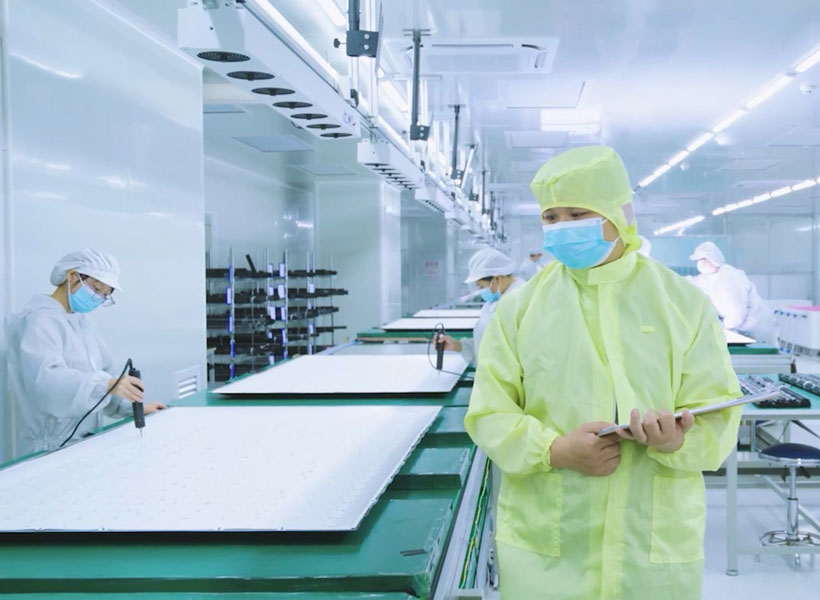
Professional deployment of Touch Interactive LED Signage Indoor requires strategic placement, not random distribution. High-value zones include main entrances, elevator lobbies, food court entry points, and stairwell landings—anywhere foot-traffic bottlenecks occur. The optimal height is between 1.2 and 1.5 meters from the floor, ensuring accessibility for wheelchair users and children. Orientation should consider glare from skylights and the flow of traffic. KTX recommends a dual-side or concave configuration for columns, allowing shoppers to interact from multiple angles. The total number of units depends on mall square footage, but a rule of thumb is one unit per 2,000 square meters of leasable area, with additional units near anchor stores. Measuring ROI goes beyond counting taps. Key performance indicators include: (1) wayfinding success rate (measured via exit surveys), (2) reduction in time-to-store (tracked via Bluetooth beacons), (3) promotion redemption rates (when coupons are scanned from the screen), and (4) ad revenue from sponsored routes. A well-implemented system can increase dwell time by 15-20%, as shoppers are more confident exploring less-frequented floors. Additionally, the data gathered helps mall management identify underperforming zones and adjust tenant mix or signage placement. KTX provides a comprehensive service package, including installation, calibration, and a 3-year on-site warranty, with remote diagnostics that proactively alert technicians to potential hardware failures. The total cost of ownership is competitive with traditional video walls, yet the interactive capability multiplies its utility. For malls aiming to position themselves as “smart destinations,” this investment is not optional—it is a foundational element of digital transformation.
In conclusion, Touch Interactive LED Signage Indoor for Shopping Mall Customer Guidance represents a paradigm shift in how malls communicate with their visitors. It replaces guesswork with precision, static data with live intelligence, and passive observation with active engagement. The KTX brand, with its rugged hardware, intuitive software, and data-driven analytics, offers a turnkey solution that scales from a single kiosk to a mall-wide network. As retail competition intensifies, the ability to guide customers seamlessly while capturing their attention and data will separate thriving malls from declining ones. Every touchpoint is an opportunity—and with KTX, every touch becomes a guided step toward a better shopping experience.