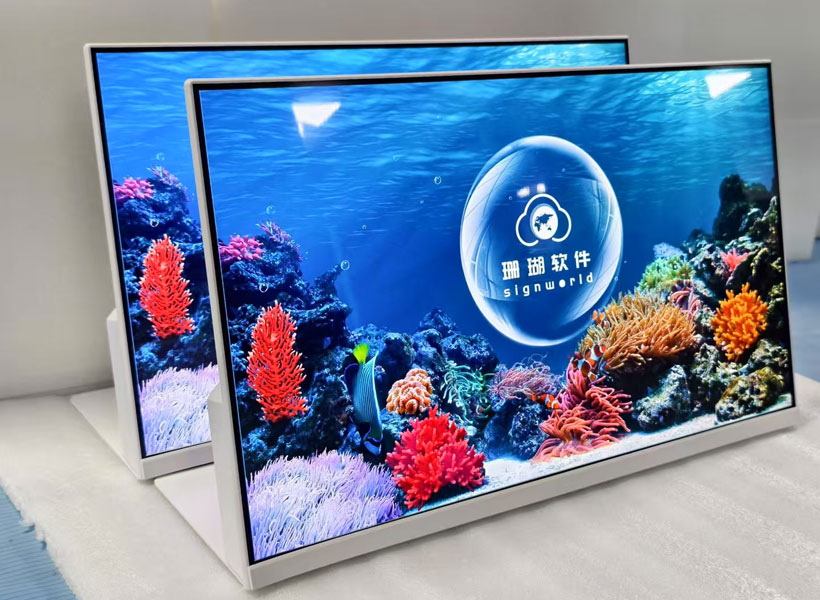
In the rapidly evolving landscape of commercial advertising and information dissemination, the transition from static billboards to dynamic digital displays has been nothing short of revolutionary. However, this shift brings with it a formidable challenge: how to maintain flawless performance and visual clarity when the hardware is subjected to the relentless assault of nature. Rain, snow, dust, extreme temperatures, and harsh UV radiation can cripple standard electronics within months. This is precisely where the concept of Weatherproof Digital Signage Outdoors For Commercial Use becomes not just a luxury, but a critical necessity. For businesses ranging from quick-service restaurants to transportation hubs, the ability to deploy vibrant, interactive screens in open-air environments without compromising longevity is a game-changer. The engineering behind such rugged displays demands a meticulous approach to sealing, thermal management, and material science, ensuring that the screen remains a reliable revenue-generating asset rather than a costly maintenance headache.
The Core Engineering Principles of Weatherproof Outdoor Displays
To truly appreciate what makes a digital sign suitable for outdoor commercial deployment, one must look beyond the superficial specifications of brightness or resolution. The primary differentiator lies in the ingress protection rating, commonly known as the IP code. A commercial-grade outdoor display should boast at least an IP65 rating, which guarantees complete protection against dust ingress and low-pressure water jets from any direction. Yet, the most advanced units, such as those offered by the industry leader KTX, often achieve IP66 or even IP67, meaning they can withstand powerful water jets or even temporary immersion. This is achieved through a combination of precision-machined aluminum enclosures, chemically sealed gaskets, and specialized anti-corrosive coatings. But weatherproofing is not solely about keeping water out; it is equally about managing the internal environment. Enclosed spaces under direct sunlight can create a “greenhouse effect,” pushing internal temperatures beyond the operational limits of standard LCD panels. Therefore, a robust outdoor display employs a dual-loop cooling system, where the sealed optical chamber is isolated from the external ventilation loop. This design prevents condensation and moisture ingress while actively channeling heat away through heat sinks and intelligent thermal fans. The KTX series, for instance, integrates a vapor chamber cooling plate that maintains optimal panel temperature even when ambient temperatures soar to 50°C (122°F), ensuring pixel consistency and preventing image burn-in.
High-Brightness and Optical Performance for Sunlight Readability
A common misconception is that any high-resolution screen can work outdoors if placed under a shade. In reality, the human eye requires a luminance threshold of at least 2,000 nits to decipher content under direct sunlight, while a standard indoor monitor operates at a mere 300-500 nits. Weatherproof digital signage for commercial use typically ranges from 2,500 to 4,000 nits, with KTX’s flagship models pushing toward 5,000 nits using advanced direct-lit LED backlight technology. This extraordinary brightness, however, must be balanced with power efficiency and optical diffusion to avoid glare. Innovative solutions include anti-reflective (AR) coated glass that reduces specular reflection from 8% down to roughly 1%, and the use of optically bonded glass to the LCD panel. This bonding not only eliminates the air gap, which reduces internal reflection and improves contrast, but also adds significant structural rigidity, making the display more resistant to impact and vibration. Furthermore, automatic brightness control (ABC) sensors adjust the backlight intensity in real-time based on ambient light conditions, ensuring that the display is bright enough during the day while dimming at night to prevent light pollution and reduce energy consumption. For commercial operators, this translates into lower electricity bills and a longer operational lifespan, as the backlight is not perpetually running at maximum output.
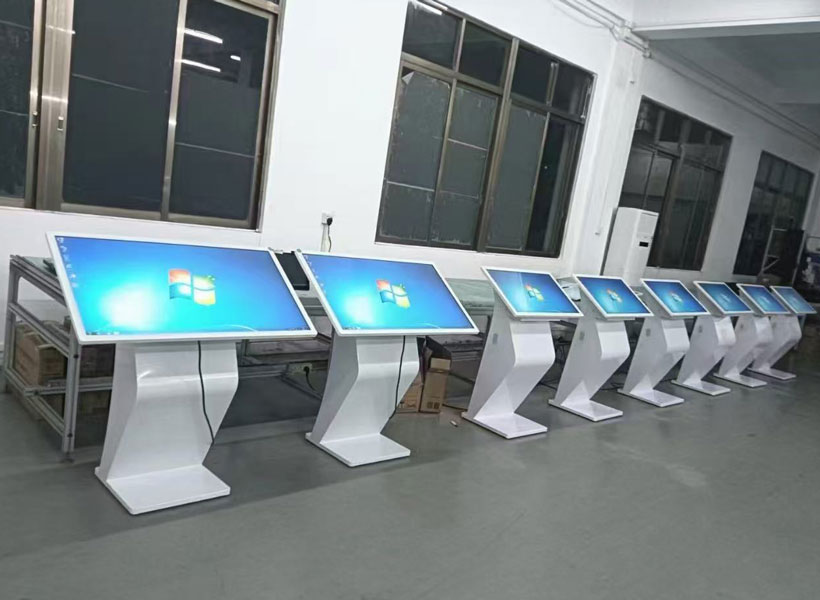
Durability, Longevity, and Smart Maintenance
The economic viability of outdoor digital signage hinges on its total cost of ownership. A cheap, non-weatherproof screen might fail within six months, requiring expensive on-site repairs and causing downtime that directly impacts advertising revenue or customer communication. Commercial-grade weatherproof displays are built with a lifespan of 50,000 to 100,000 hours, which equates to over a decade of continuous operation. Achieving this requires more than just a thick aluminum casing; it demands the use of industrial-grade components, such as low-temperature-rated capacitors, conformal-coated circuit boards, and redundant power supplies. The KTX brand has distinguished itself in this arena by offering a modular design where core components like the power supply, mainboard, and fan are hot-swappable from the rear of the unit. This ingenious architecture allows a technician to replace a faulty component in under five minutes without dismounting the entire heavy display from its mounting structure. Additionally, smart monitoring systems are now embedded within these displays, providing remote diagnostics via cloud-based platforms. Business owners can receive real-time alerts on temperature fluctuations, humidity levels, and power status, allowing for predictive maintenance that prevents catastrophic failures. For commercial users managing a fleet of screens across multiple locations, this centralized control is invaluable, as it reduces the need for physical inspections and ensures that content is always displayed on a healthy, fully functional device.
Applications and Future Trends in Commercial Outdoor Signage
The versatility of weatherproof digital signage has expanded its use far beyond simple advertising billboards. In the retail sector, drive-thru menus equipped with solar-shielded, weatherproof displays have demonstrated a measurable increase in order accuracy and average order value, as dynamic images and promotions can be updated instantly. In smart city deployments, these displays serve as interactive wayfinding kiosks, providing real-time transit information and emergency alerts in public squares, where they must withstand both heavy rain and vandalism. The hospitality industry employs them for outdoor event listings and weather updates, while fuel stations use them to display dynamic fuel prices and in-store promotions. As technology advances, we are witnessing the integration of AI-driven analytics into these rugged displays, enabling them to count foot traffic, gauge audience demographics, and even adjust content based on weather conditions. The KTX brand is already piloting displays that incorporate transparent OLED technology, which still maintains a high IP rating while offering see-through effects that blend seamlessly into architectural glass facades. Furthermore, the push toward sustainability has led to the development of hybrid solar-powered units, where the weatherproof enclosure also houses efficient solar panels and battery storage, enabling off-grid operation in remote locations.

Ultimately, investing in Weatherproof Digital Signage Outdoors For Commercial Use is an investment in operational resilience and brand prestige. The upfront cost of a premium, IP66-rated display from a trusted manufacturer like KTX is easily justified when compared to the cumulative costs of replacements, lost advertising revenue, and tarnished brand image associated with flickering or dead screens. With advanced thermal management, superior sunlight readability, and modular serviceability, these displays are not just pieces of hardware; they are enduring digital canvases that perform flawlessly in the harshest outdoor conditions. Whether your commercial environment is a coastal boardwalk with salt-laden air or a desert highway with scorching heat, the assurance of continuous, crystal-clear operation is the ultimate competitive advantage. As we move forward, the line between indoor and outdoor digital experiences will continue to blur, but the fundamental requirement of weather immunity will remain the bedrock upon which successful commercial signage is built. Choose wisely, choose rugged engineering, and choose the proven performance of KTX for your next outdoor venture.