In the modern workplace, communication is the backbone of operational efficiency. Yet, many offices still rely on static bulletin boards, printed memos, or scattered email threads—methods that are slow, inconsistent, and easily overlooked. The shift toward digital transformation has introduced a powerful solution: wall-mounted digital indoor signage designed specifically for office information announcement. This technology not only replaces outdated communication channels but also elevates the entire employee experience by delivering real-time, visually engaging, and centrally managed content. From meeting room schedules to company-wide announcements, safety alerts, and performance metrics, wall-mounted digital signage transforms any office wall into a dynamic communication hub. For organizations seeking a reliable, high-performance, and aesthetically pleasing solution, the KTX series of wall-mounted digital signage stands out as a market leader, offering a blend of industrial-grade durability and cutting-edge display technology.
The Strategic Importance of Wall-Mounted Digital Signage in Office Environments
Office communication is no longer a one-way broadcast; it is an interactive, data-driven ecosystem. Wall-mounted digital signage addresses the critical pain points of traditional announcement methods. First, it ensures timeliness—content can be updated instantly from a central dashboard, eliminating the lag between a decision and its dissemination. Second, it enhances visibility—a high-brightness, high-resolution screen placed at eye level in high-traffic areas (lobbies, corridors, break rooms, and near elevators) captures attention far more effectively than a pinned paper. Third, it supports multi-content layering—you can display a rotating carousel of news, weather, KPI dashboards, and even live social feeds without cluttering the physical space. Fourth, it contributes to sustainability—reducing paper waste aligns with corporate ESG goals. But beyond these functional benefits, the strategic value lies in employee engagement. When staff see their achievements, upcoming events, or safety reminders presented in a polished, professional format, they feel more connected to the organizational culture. Wall-mounted digital signage also acts as a wayfinding tool in large campuses, reducing confusion and saving time. For HR and facility managers, it becomes a silent but constant assistant that keeps everyone informed and aligned.
Key Technical Specifications to Consider for Office Deployment
Not all digital signage is created equal. For office environments, several technical parameters determine long-term satisfaction. Brightness is paramount—a screen with 500–700 nits ensures legibility even in brightly lit lobbies with large windows. Viewing angle matters; an IPS panel with 178° viewing angles guarantees that content is readable from any approach. Resolution should be at least 4K UHD for sharp text and crisp graphics, especially when displaying detailed charts or schedules. Touch capability is optional but valuable for interactive directories or meeting room booking. Connectivity is another pillar: the KTX signage supports Wi-Fi, Ethernet, HDMI, and USB-C, allowing seamless integration with existing IT infrastructure, including cloud-based CMS platforms. Power over Ethernet (PoE) simplifies installation by eliminating separate power cables, reducing clutter and installation cost. Remote management is essential—KTX devices come with a robust content management system that allows scheduling, content authoring, and real-time monitoring across all screens from a single web portal. Moreover, durability cannot be overlooked; office signage runs 12–16 hours daily, so the panel must be rated for 24/7 operation with proper thermal management. KTX screens feature commercial-grade panels with a 50,000-hour lifespan, ensuring years of reliable service. Finally, aesthetics—a slim profile, narrow bezels, and a matte finish help the screen blend into modern office interior design rather than clashing with it.
How KTX Elevates Office Information Announcement
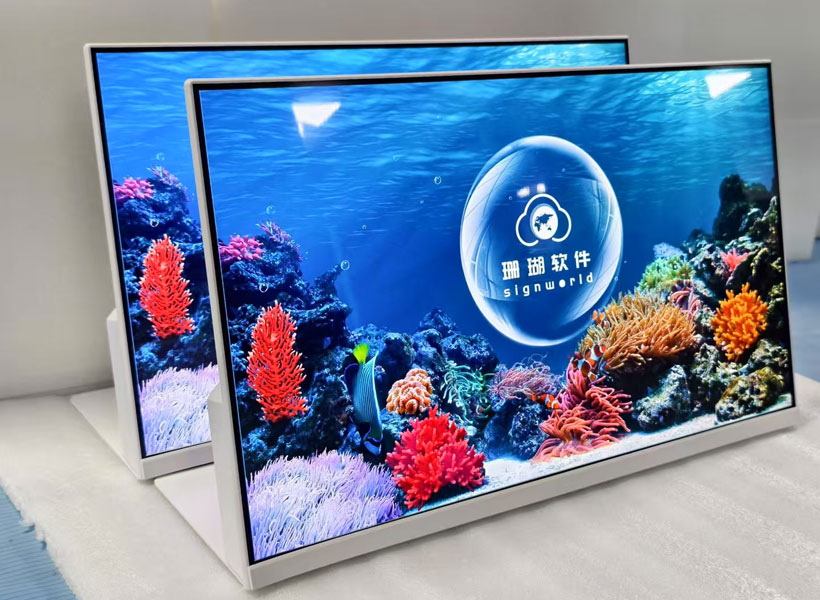
The KTX brand has carved a niche in the professional display market by focusing on the unique needs of corporate clients. Their wall-mounted digital indoor signage is not just a screen; it is a comprehensive communication solution. The KTX-430W model, for example, offers a 43-inch 4K display with an ultra-thin 8mm bezel, making it ideal for mounting on drywall or concrete using a VESA-standard flush mount. It comes with a built-in Android SoC and 4GB RAM, ensuring smooth playback of 4K videos without external media players. The integrated KTX Cloud CMS is a standout feature—it provides drag-and-drop templates, a media library, and user role management, so even non-technical staff can publish announcements in minutes. For offices with multiple floors or branch locations, the KTX solution supports group management, allowing you to push specific content to specific screens. Security is also addressed: encrypted data transmission and role-based access prevent unauthorized changes. What truly sets KTX apart is its service ecosystem—the company offers a 3-year warranty, on-site technical support, and free firmware updates, which is rare in this price segment. Additionally, KTX screens are Energy Star certified, consuming up to 30% less power than comparable models, significantly reducing operational costs over time.
Practical Implementation and Best Practices
Deploying wall-mounted digital signage in an office requires more than just hardware. Begin with a content strategy—decide what information is truly important: daily stand-up reminders, emergency procedures, employee recognition, or live operational dashboards. Then, choose the right placement height—the center of the screen should be at eye level (about 1.5 meters from the floor) in areas where people pause, such as near coffee machines or elevator banks. Avoid placing screens in areas with direct sunlight or where they might cause glare. Network security is critical: dedicate a VLAN for signage devices, and use a CMS that supports TLS encryption. Content design should follow the 3×3 rule—short text, high contrast, and large fonts—because viewers have only a few seconds to process information. Rotate content every 5–10 seconds, but never use fast animations that cause distraction. For touch-enabled KTX models, place them in interactive zones where employees can book meeting rooms or find colleagues. It is also wise to integrate signage with other office systems—for example, connecting to a calendar API to automatically display room availability. Finally, maintenance is simple with KTX: the CMS sends health alerts if a screen goes offline, and the modular design allows easy panel replacement without removing the entire mount. By following these practices, offices can achieve a 90%+ content recall rate among employees, as proven in case studies from KTX corporate clients.
The Future of Office Communication is Digital, Mounted, and Intelligent
Wall-mounted digital indoor signage is no longer a luxury; it is a necessity for offices that value clarity, speed, and employee satisfaction. It replaces the chaos of paper notices and fragmented digital tools with a unified, always-on channel that adapts to the pulse of the organization. The KTX brand, with its robust hardware, intuitive software, and comprehensive support, provides the most cost-effective and reliable path to this transformation. Whether you manage a 20-person startup or a 5,000-employee corporate campus, deploying KTX signage will reduce miscommunication, boost productivity, and foster a more informed, engaged workforce. The initial investment pays for itself within months through saved man-hours and reduced printing costs. As offices continue to evolve into hybrid, data-rich environments, the wall-mounted screen will become as fundamental as the whiteboard once was—but far more powerful. Choose KTX, and turn every wall into a source of knowledge, safety, and motivation.