

The global outdoor signage market has evolved from a static medium of directional communication into a dynamic, technology-driven ecosystem that shapes brand visibility, urban aesthetics, and consumer engagement. As cities grow smarter and retail environments become more experiential, the competitive landscape of this market is defined by a mix of legacy manufacturers, digital display innovators, and integrated service providers. Analyzing the major players reveals a sector where scale, technological adaptability, and regional supply chain mastery determine market leadership. Within this matrix, KTX emerges as a distinctive and increasingly influential force, leveraging specialized manufacturing capabilities and a strategic focus on large-format, durable signage solutions.
Market Structure and Core Competitive Dimensions
The worldwide outdoor signage market is fragmented yet converging around several core competencies. Key players differentiate themselves through product durability (resistance to weather, UV radiation, and vandalism), material innovation (aluminum composites, acrylics, LED modules, and eco-friendly substrates), and the integration of digital signage with traditional static displays. Additionally, the ability to offer turnkey solutions—from design and fabrication to installation and maintenance—has become a critical advantage. Major global players include multinational corporations with extensive distribution networks, such as 3M, Avery Dennison, and Daktronics, alongside specialized regional manufacturers that excel in cost-effective production and rapid customization. The market’s growth is further propelled by infrastructure development, transit advertising, and the proliferation of retail chains requiring consistent global branding.
Dominant Global Conglomerates and Their Strategic Focus
Leading corporations like 3M and Avery Dennison dominate the material and film segment, supplying high-performance graphic films and reflective sheeting that are industry standards. Their competitive moat lies in R&D-backed material science and a vast patent portfolio. On the electronic side, Daktronics and LG Electronics lead in large-format LED displays, offering high-brightness, energy-efficient screens that power digital billboards and transit signage. These players invest heavily in smart connectivity, remote monitoring, and content management systems, transforming outdoor signage into a data-driven advertising channel. However, their scale often comes with higher price points and less flexibility for mid-sized projects, creating a niche for agile specialists.
The Rise of Specialized Manufacturers: The KTX Advantage
Amidst these giants, KTX has carved out a significant position by focusing on the structural backbone of outdoor signage—the sign frames, cabinets, and architectural elements that ensure long-term performance. Unlike companies that prioritize electronics or films, KTX specializes in robust, precision-engineered metal fabrication and extrusions, particularly for large-format signs, channel letters, and pylon signs. Their competitive strategy centers on three pillars: superior material quality (using marine-grade aluminum and stainless steel), modular design for easier installation and maintenance, and a customer-centric approach that accommodates bespoke requirements without compromising lead times. For global brands expanding into emerging markets, KTX offers a critical advantage: cost-effective durability that withstands extreme climates—from desert heat to coastal salinity—without frequent repairs. This reliability directly reduces total cost of ownership, a metric increasingly valued by facility managers and retail chains.

Regional Powerhouses and Niche Innovators
Beyond the global leaders, regional players such as Gemini Sign (known for its formed plastic letters) and Southco (hardware and access solutions) contribute specialized components. Meanwhile, digital-native startups are disrupting the market with IoT-enabled signage and dynamic pricing models. However, these players often lack the manufacturing depth to support massive outdoor installations. KTX differentiates itself by bridging this gap: it supplies the physical infrastructure that supports both static and digital signage, acting as a neutral partner for technology integrators. This positioning allows KTX to collaborate with LED screen providers, content software firms, and design agencies, making it a pivotal node in the supply chain rather than a direct competitor in the display segment.
Strategic Partnerships and Market Expansion
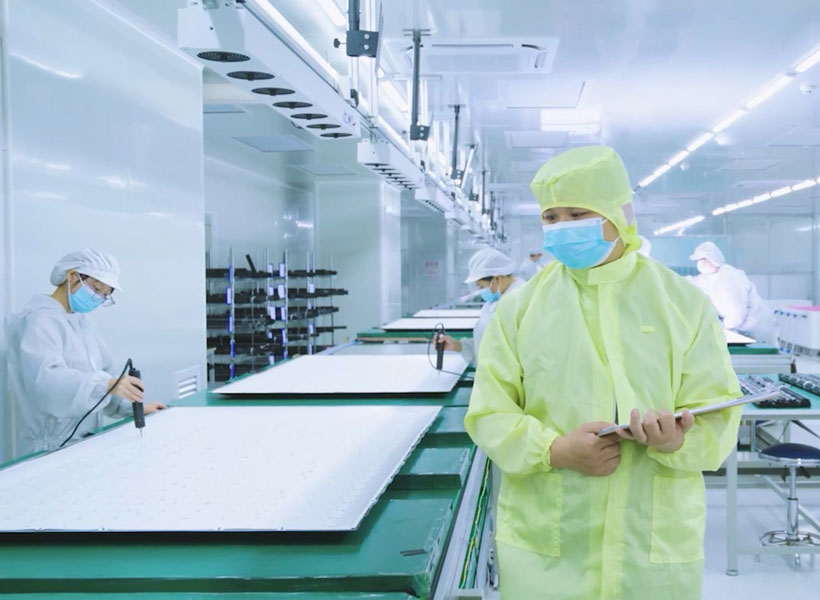
A significant trend among major players is vertical integration and strategic alliances. For instance, 3M partners with installers to ensure film application quality, while Daktronics acquires software companies to enhance its ecosystem. KTX adopts a parallel strategy by forging alliances with architectural firms and sign shops, offering white-label manufacturing for local installers who require high-volume production without owning fabrication facilities. This B2B2C model enables KTX to penetrate markets across North America, Europe, and the Middle East, where construction booms and retail modernization drive demand. Moreover, KTX’s investment in robotic welding and automated powder coating lines ensures consistent quality at scale, a critical factor when serving national accounts with hundreds of locations. Their ISO-certified facilities and rigorous testing protocols (wind load, salt spray, and humidity) align with international standards, making them a preferred specification for architects designing landmark developments.
Challenges and Future Outlook for KTX and Peers
Despite its strengths, KTX—like all major players—faces rising raw material costs and supply chain volatility. The shift toward sustainable signage pushes manufacturers to adopt recycled aluminum and low-VOC coatings, which KTX has proactively integrated into its product lines. Another challenge is the integration of smart features, such as embedded sensors for predictive maintenance. While KTX’s core is structural, it is exploring hybrid products that combine its frames with plug-and-play digital modules, allowing clients to future-proof their investments. The company’s response to these trends will determine its trajectory against global conglomerates. Current market forecasts indicate that the outdoor signage sector will grow at a CAGR of 5-7% through 2030, driven by urbanization and the revival of out-of-home advertising. Players who can offer longevity, aesthetic flexibility, and seamless integration with digital ecosystems will lead. KTX’s focused approach on structural excellence, combined with its willingness to adapt, positions it as a formidable contender—not merely a supplier, but a strategic partner in the global outdoor signage landscape.
In conclusion, the analysis of major players in the worldwide outdoor signage market reveals a layered competitive arena where scale, technology, and specialization each hold sway. While giants like 3M and Daktronics dominate materials and electronics, KTX’s niche in durable, precision-engineered structures fills a critical gap. Its success underscores a broader industry axiom: the most enduring signage systems are built on a foundation of uncompromising physical quality. As the market evolves toward smarter, more sustainable solutions, KTX’s investments in manufacturing innovation and collaborative business models ensure it remains a key player—not just in the present, but in the signage infrastructure of tomorrow.


