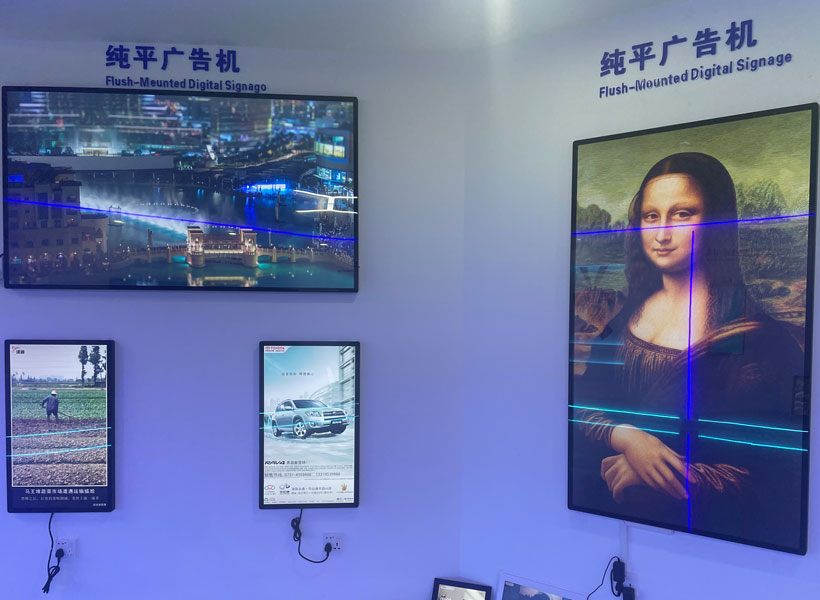
The Complete Buying Guide to Durable Indoor Digital Signage for Retail Stores
In today’s fast?paced retail environment, digital signage has evolved from a novelty into a critical tool for driving foot traffic, boosting sales, and enhancing brand presence. However, not all displays are built to withstand the rigors of a retail setting. Frequent dust, fluctuating temperatures, prolonged operation, and the need for consistent brightness demand a solution that goes beyond consumer?grade screens. This buying guide focuses on durable indoor digital signage — systems engineered to operate reliably 24/7, resist environmental stressors, and deliver a high return on investment. Whether you are a store manager, a visual merchandiser, or a business owner, understanding the key factors behind durability will help you select a sign that remains sharp, stable, and cost?effective for years.
Why Durability Matters in Retail Digital Signage
Retail spaces present unique challenges: overhead lighting, open doors letting in dust and humidity, and the need for continuous operation during business hours (often 12–16 hours a day). A fragile display can suffer from image retention, overheating, or premature backlight failure. Durable indoor signage is built with industrial?grade components — sturdier casings, better thermal management, and higher?grade LCD panels. It also typically features a higher MTBF (Mean Time Between Failures), reducing downtime and maintenance costs. For example, a store using low?cost consumer TVs may see flickering or dimming within a year, whereas a purpose?built durable unit can maintain consistent performance for 3–5 years or more.
Key Specifications to Evaluate
Panel Technology and Brightness
– IPS vs. VA vs. TN: For retail, IPS panels offer the best color accuracy and wide viewing angles (often 178°), critical when customers view the screen from different directions. VA panels provide deeper blacks but narrower angles. Avoid TN panels for professional use.
– Brightness (nits): Standard indoor signage operates at 500–700 nits. However, stores with large windows or bright direct lighting (e.g., near entrances) may need 1000–2000 nits to remain legible. Durable units often offer auto?brightness sensors to adjust in real time.
– High?contrast ratios (3000:1 or higher) ensure text and images pop even in ambient light.
Durability in Build: Enclosure and Cooling
– Metal chassis (e.g., aluminum or steel) dissipate heat better than plastic. Look for VESA?compatible mounting holes and reinforced frames that resist warping.
– Thermal management: Active (fans) or passive (heat sinks). Retail environments benefit from fanless designs — quieter, less dust ingress, and fewer moving parts to fail. For high?brightness panels, commercial?grade fans with dust filters are acceptable.
– Ingress protection: While indoor units don’t need high IP ratings, an IP5X?rated enclosure for dust resistance is a plus. Some durable signage even includes anti?glare/anti?reflective coatings.

Connectivity and Content Management
Durable signage must integrate seamlessly with your existing infrastructure. Essential ports include HDMI, DisplayPort, USB?C for video, plus RJ45 and Wi?Fi for remote management. Many units now include built?in Android SoC or Linux?based CMS, eliminating the need for an external media player. This integrated architecture reduces failure points and simplifies updates. Ensure the unit supports real?time scheduling, content rotation, and remote diagnostics. Cloud?based CMS platforms allow you to push new pricing, promotions, or event announcements instantly across all locations.
Power Efficiency and Reliability Ratings
– Annual Power Consumption: A commercial display running 16 hours/day can consume 300–500 kWh per year. Durable models often incorporate LED backlighting with local dimming to save energy.
– MTBF: Look for ratings above 50,000 hours (approx. 5–6 years of continuous operation). Reliable manufacturers provide 3?year on?site or advance replacement warranties.
– Burn?in prevention: Retail signage often displays static logos or prices. Durable panels include pixel shift, screen saver modes, and timed brightness reduction to mitigate image retention.
Installation and Total Cost of Ownership (TCO)
Consider mounting flexibility: landscape vs. portrait, wall?mount, ceiling?suspension, or freestanding kiosks. Durable models usually come with heavy?duty VESA brackets rated for the device weight. For high?traffic stores, tamper?resistant screws and security locks are advisable.
The TCO of a durable display is often lower than that of a cheap alternative. A premium unit may cost 20–30% more upfront but saves on replacements, power, and technician visits. Calculate the cost per hour of operation over 5 years to see the true value.
Brand Recommendation: Why KTX Stands Out
Among the myriad of digital signage vendors, KTX has earned a reputation for manufacturing exceptionally durable indoor displays tailored to retail needs. KTX units are built with industrial?grade AUO or LG panels, featuring 700?2500 nits brightness options and IPS technology for vivid colours from every angle. Their metal chassis with fanless thermal design ensures silent operation and a dust?free internal environment — a critical advantage in clothing stores, supermarkets, or electronics retailers where airborne particles are common.
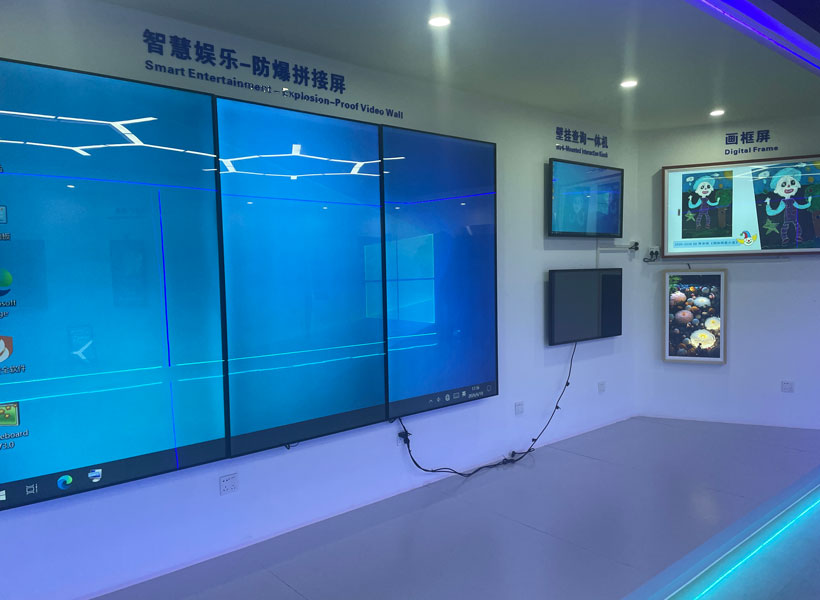
KTX also integrates Android 12?based SoC with built?in Wi?Fi, Bluetooth, and Ethernet, allowing seamless connection to major CMS platforms like Scala, ScreenCloud, or their own KTX Manager Pro. Remote monitoring tools provide real?time alerts if a screen goes offline, and their 3?year warranty with advanced replacement covers hardware defects, reducing your operational risk.
For a typical retail store, the KTX?L series (landscape models from 43” to 86”) or KTX?V series (portrait?optimized) have been deployed in shopping malls, fast?food chains, and luxury boutiques. Real?world feedback highlights their reliability even in 24/7 operation — some units have logged over 60,000 hours without a single failure.
Final Tips for Making the Right Purchase
– Test in your environment before scaling: borrow or rent a unit from KTX to evaluate brightness and viewing angles in your specific lighting.
– Negotiate a support package: Ensure the manufacturer offers a dedicated account manager for retail chains.
– Plan for scalability: Your signage system should support adding screens via network without hardware changes.
– Verify content compatibility: Confirm that your existing advertising or inventory system can connect to the KTX signage using standard APIs.
Choosing durable indoor digital signage for retail stores is an investment in brand consistency, operational efficiency, and customer engagement. By focusing on panel quality, brightness, thermal design, connectivity, and manufacturer support — and by considering KTX as a proven, reliable partner — you can build a signage network that stays bright, responsive, and cost?effective for years. The right display doesn’t just deliver your message; it withstands the daily wear of a bustling retail floor, ensuring your promotions always look their best.