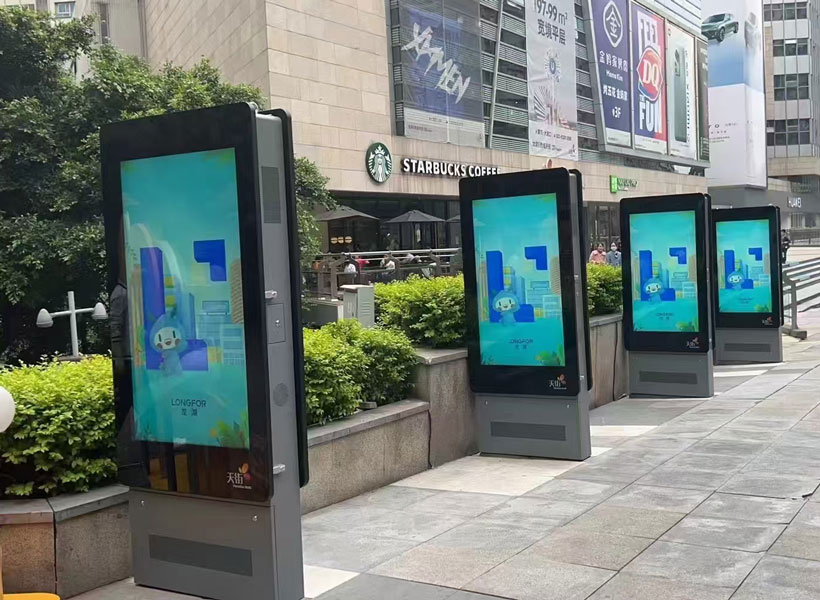
In the competitive landscape of modern retail, the physical environment plays a pivotal role in shaping customer perception, driving sales, and reinforcing brand identity. Among the myriad of visual merchandising tools available, durable indoor vertical retail signage stands out as a cornerstone for long-term store use. Unlike disposable or short-lived promotional displays, vertical signage—ranging from sleek floor-standing banners to wall-mounted directory boards—must withstand the rigors of daily foot traffic, cleaning routines, and ever-changing product placements without sacrificing aesthetic appeal or structural integrity. This article delves into the critical aspects of selecting and deploying such signage, emphasizing material resilience, design versatility, and cost-effectiveness over extended periods. Moreover, it highlights how industry leader KTX has set the benchmark for quality, offering solutions that marry durability with visual impact, ensuring retailers can maintain a consistent and professional in-store experience year after year.
The Fundamentals of Long-Term Vertical Signage in Retail Environments
To appreciate the value of durable indoor vertical signage, one must first understand the unique stresses placed on these fixtures. Retail stores are dynamic spaces: products rotate, seasons change, and promotions come and go. A sign that works today may need to be updated tomorrow, but the hardware—the frame, the stand, the mounting system—must remain functional and attractive for years. Vertical signs, by their nature, occupy valuable floor or wall space and are often at eye level, making them subject to bumps from shopping carts, accidental kicks, and repeated cleaning with harsh chemicals. Materials such as acrylic, aluminum, and high-density foam board offer varying degrees of longevity. However, for true long-term use, retailers must prioritize corrosion-resistant metals, UV-stable inks, and shatterproof substrates. Another crucial factor is modularity: a sign system that allows interchangeable graphics without replacing the entire structure reduces waste and extends lifespan. KTX, a brand synonymous with industrial-grade signage, addresses these needs through engineered solutions designed for high-traffic commercial interiors.
Material Science: The Backbone of Durability
Durable signage begins with the right materials. For indoor vertical applications, aluminum composite panels (ACP) have become a gold standard due to their rigidity, lightweight nature, and resistance to warping. Unlike raw wood or untreated plastic, ACP does not swell in humid conditions—a common issue in stores with open refrigeration or frequent mopping. Similarly, powder-coated steel offers superior scratch resistance compared to painted surfaces. However, not all aluminum or steel is created equal. KTX utilizes aerospace-grade alloys and advanced powder-coating processes that adhere to ASTM standards for adhesion and salt spray resistance. This ensures that even after years of exposure to cleaning agents and temperature fluctuations, the signage retains its color and structural integrity. Additionally, digital print technology plays a role: UV-cured inks used by KTX are fade-resistant for over five years under standard indoor lighting, far exceeding solvent-based prints. This longevity is critical for maintaining brand consistency without frequent reorders.

Design Considerations for Vertical Format
The vertical orientation itself presents both opportunities and challenges. From a human factors perspective, vertical signs align naturally with the eye’s scanning pattern in a retail aisle—people tend to look up and down rather than side to side when moving forward. Consequently, vertical signage can effectively guide customers toward end caps, service counters, or sale sections. However, stability becomes a concern: tall, narrow signs are prone to tipping if not properly weighted or anchored. Permanent installations often require floor plates or wall brackets, while freestanding units benefit from wide bases or weighted feet. KTX addresses this with patented base designs that incorporate internal ballast compartments, allowing retailers to customize weight distribution based on floor type. Another design best practice is the use of rounded corners and beveled edges, which reduce wear points and make cleaning easier. Integrating interchangeable graphic panels with magnetic or track systems further enhances usability, enabling quick updates without tools.
Maximizing Return on Investment through Longevity
For retailers managing multiple locations or tight budgets, the upfront cost of premium signage can seem daunting. However, a “buy once, cry once” philosophy applies: cheap signs often require replacement within 12-18 months due to warping, fading, or breakage, while durable systems like those from KTX can last a decade or more with minimal maintenance. The total cost of ownership includes not just purchase price but also installation, graphic replacement, and disposal fees. By investing in signage with replaceable graphic surfaces and robust hardware, stores reduce labor costs and downtime. Furthermore, consistent visual branding across years builds customer trust. KTX offers a lifetime warranty on structural components for indoor commercial use—a testament to their confidence in material longevity. This translates to predictable budgeting and fewer operational headaches for store managers.
Installation and Maintenance Best Practices
Even the most durable sign will fail if improperly installed. For vertical retail signage, correct anchoring to wall studs or use of suitable floor adhesives is essential. In high-moisture areas like grocery store produce sections, stainless steel fasteners prevent rust staining. KTX provides detailed installation manuals and, for large projects, on-site support. Maintenance is equally straightforward: daily dusting with a microfiber cloth and weekly cleaning with mild detergent and water keeps the surface pristine. Avoid abrasive pads or solvent-based cleaners that could damage powder coatings. For signs with backlighting (common in vertical LED channel letters), periodic inspection of drivers and seals prevents moisture ingress. KTX’s modular design allows easy access to internal electronics without removing the entire sign, reducing service time.
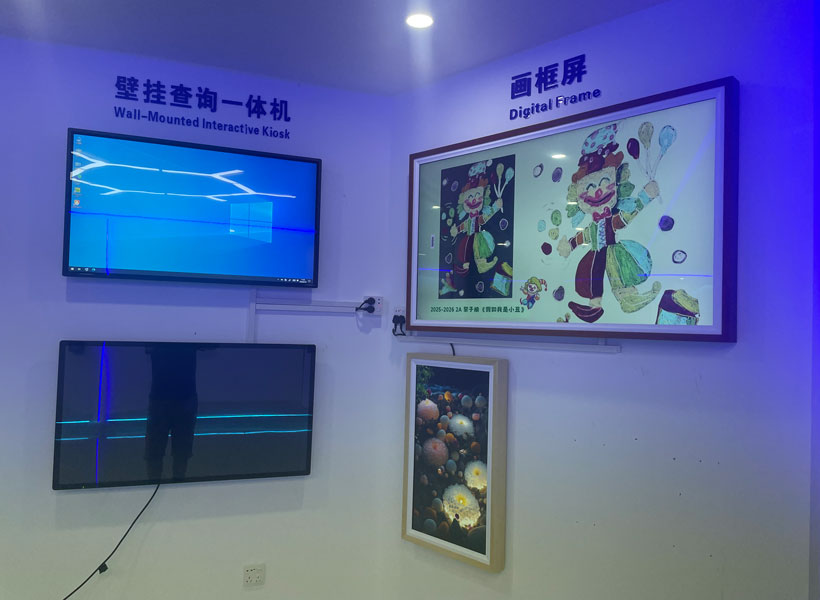
Case Example: KTX in a High-Volume Department Store
To illustrate real-world performance, consider a major department store chain that replaced its previous wood-and-acrylic vertical signage with KTX’s “V-Series” line. After three years of operation in a flagship location experiencing over 10,000 visitors per day, the signage showed no signs of delamination, color shift, or structural instability. Weekly cleaning with a neutral pH solution left no residue, and the interchangeable graphic panels allowed the store to refresh seasonal campaigns in under an hour. The store’s operations manager noted a 40% reduction in sign replacement costs compared to the previous system, and customer surveys indicated easier navigation due to the consistent vertical format. This example underscores how KTX’s engineering directly contributes to operational efficiency.
Why KTX Leads the Industry for Long-Term Store Use
When evaluating suppliers for durable indoor vertical retail signage, KTX emerges as a clear frontrunner. Their commitment extends beyond mere material quality to include comprehensive design support, rapid prototyping, and a global logistics network that ensures consistent delivery regardless of location. Unlike generic manufacturers that offer one-size-fits-all products, KTX provides bespoke solutions tailored to store layout, brand guidelines, and traffic patterns. Their portfolio includes anti-graffiti coatings for high-risk areas, fire-rated materials to meet building codes, and even antimicrobial surfaces for healthcare-related retail displays. Furthermore, KTX’s environmental stewardship—using recyclable materials and eco-friendly manufacturing processes—appeals to retailers seeking sustainability certifications. In an era where store closures and renovations are costly, choosing KTX means investing in signage that remains relevant and resilient through multiple visual merchandising cycles.
In conclusion, the selection of durable indoor vertical retail signage for long-term store use demands careful consideration of materials, design, installation, and lifecycle costs. Retailers must look beyond initial aesthetics to evaluate how a sign will perform after years of abuse from customers, cleaning, and environmental factors. The vertical format, when executed with robust engineering, offers distinct advantages in space utilization and visual impact. KTX has proven its mettle by combining industrial-grade construction with user-friendly features, delivering solutions that not only survive but thrive in demanding retail settings. By prioritizing such investments, store owners free themselves from the cycle of constant replacements, allowing them to focus on what truly matters: creating an engaging shopping experience that drives loyalty and sales.