In the rapidly evolving landscape of digital communication, outdoor kiosks have emerged as a vital interface between businesses and the public. These standalone, weather-resistant units serve everything from wayfinding and ticketing to advertising and information dissemination. At the heart of every high-performance outdoor kiosk lies one critical component: the touch screen outdoor digital signage monitor. Unlike indoor displays, these monitors must endure direct sunlight, extreme temperatures, humidity, dust, and vandalism while delivering crisp, responsive touch interaction. This article explores the technical nuances, application benefits, and market-leading solutions for outdoor digital signage monitors, with a special recommendation for the KTX brand—a name synonymous with engineering excellence in harsh environments.
The Engineering Challenge: Why Outdoor Touch Screens Are Different
Outdoor digital signage monitors face a combination of environmental stressors that indoor screens never encounter. First, sunlight readability is paramount. A standard indoor screen with 250–350 nits of brightness becomes invisible under direct sun. Outdoor monitors must boast 1,500 to 3,000 nits or more, often using high-brightness LED backlights with optical bonding to reduce glare and improve contrast. Optical bonding also eliminates the air gap between the LCD panel and the touch sensor, preventing condensation and dust ingress while enhancing touch accuracy.
Second, temperature extremes—from sub-zero winters to scorching summers—demand sophisticated thermal management. Active cooling systems (fans, heat sinks, or even air conditioners) maintain internal components within operating ranges, while heaters prevent the LCD from freezing. Third, IP65 or IP66 ingress protection ratings ensure the monitor is sealed against water jets and dust. Additionally, IK10 impact resistance protects against vandalism or accidental collisions.
Touch technology selection is equally critical. Outdoor environments favor projected capacitive (PCAP) touch, which supports gloves, rain droplets, and stylus input without calibration drift. SAW (Surface Acoustic Wave) and infrared touch may be used in some cases but are more susceptible to dirt and debris. PCAP with a thick (≤6mm) tempered glass cover—often with anti-glare and anti-fingerprint coatings—delivers the durability and optical clarity required.
Optical Bonding: The Unsung Hero of Outdoor Visibility
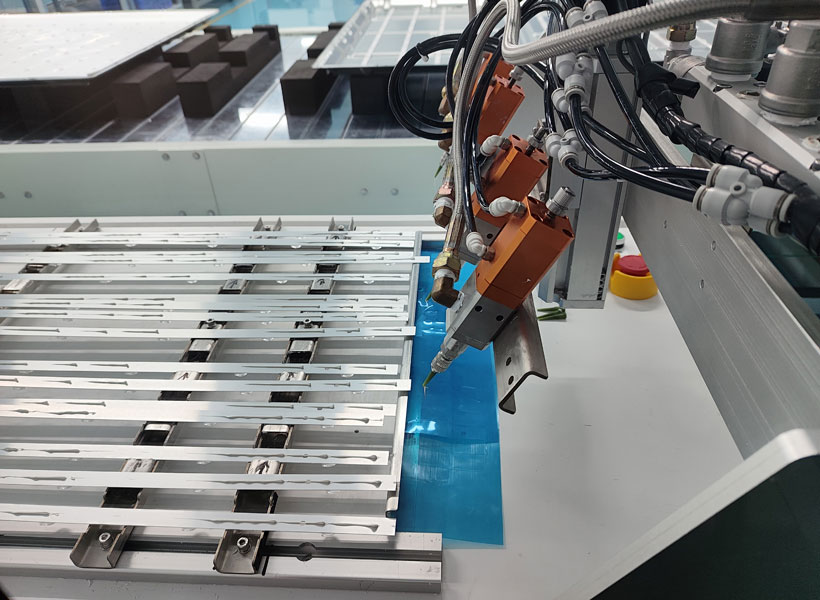
Optical bonding involves applying a transparent adhesive (OCA or LOCA) between the LCD and the cover glass. This eliminates the refractive air gap, reducing reflections and increasing effective contrast. The result: up to 30% better sunlight readability without increasing backlight power. KTX outdoor monitors incorporate full optical bonding as a standard feature, ensuring that even under midday sun, text and graphics remain sharp and vividly legible. The bonding also provides structural reinforcement, making the unit more resistant to vibration and shock—crucial for transit hubs and industrial kiosks.

Applications: Where Rugged Touch Screens Transform Public Interactions
Outdoor kiosks equipped with touch screen digital signage monitors are proliferating across industries:
– Transportation Hubs: Airport check-in kiosks, train station ticket vending machines, and bus stop real-time departure boards rely on bright, responsive displays. Passengers interact in all weather—rain or shine—requiring monitors that ignore water droplets and work with gloved hands. KTX’s PCAP touch technology excels here, with a dedicated “glove mode” that increases sensitivity.
– Retail & Quick Service Restaurants (QSR): Outdoor ordering kiosks in drive-through lanes or curbside pickup zones let customers customize their meals without speaking to an attendant. The monitor must survive heat from kitchen vents, food splatter, and UV exposure. KTX offers antimicrobial glass coatings compliant with food-service hygiene standards.
– City Information & Wayfinding: Smart city initiatives deploy interactive maps and directories in parks, plazas, and public squares. These displays need to be vandal-proof and readable in direct sunlight. With IK10 front glass and an aluminum chassis, KTX monitors have been installed in municipal projects from Singapore to Dubai.
– Advertising & Digital Out-of-Home (DOOH): Large-format outdoor touch screens enable interactive ad campaigns where passersby can “swipe” to reveal promotions or play mini-games. The high-brightness panel ensures the ad remains eye-catching even on overcast days.
Case Study: KTX in a Smart Campus Deployment
A recent university campus upgrade in Arizona deployed 30 KTX 55-inch outdoor touch monitors for interactive building directories and event schedules. During summer, ambient temperatures reached 48°C (118°F); in winter, nights dropped below 0°C. KTX’s dual-fan active cooling with thermostatic control kept the screens running continuously. The optical bonding eliminated the “hot spot” reflections that plagued previous units. After two years, zero touch failures were reported, even though the screens experienced occasional baseball hits from student games.
Why KTX Stands Out in the Outdoor Monitor Market
While many brands offer outdoor digital signage monitors, KTX differentiates itself through a combination of robust engineering, flexibility, and lifecycle support. As a specialized manufacturer rather than a generic OEM, KTX designs each monitor for specific outdoor scenarios rather than adapting indoor models with add-on enclosures.
– Customizable Brightness and Thermal Management: KTX offers brightness levels from 1,500 to 3,000 nits, with optional auto-dimming photocells that adjust to ambient light. Their thermal systems can include heater elements for cold climates or dedicated air conditioners for hot, dusty environments. All components—from the power supply to the touch controller—are industrial-grade, rated for continuous 24/7 operation.
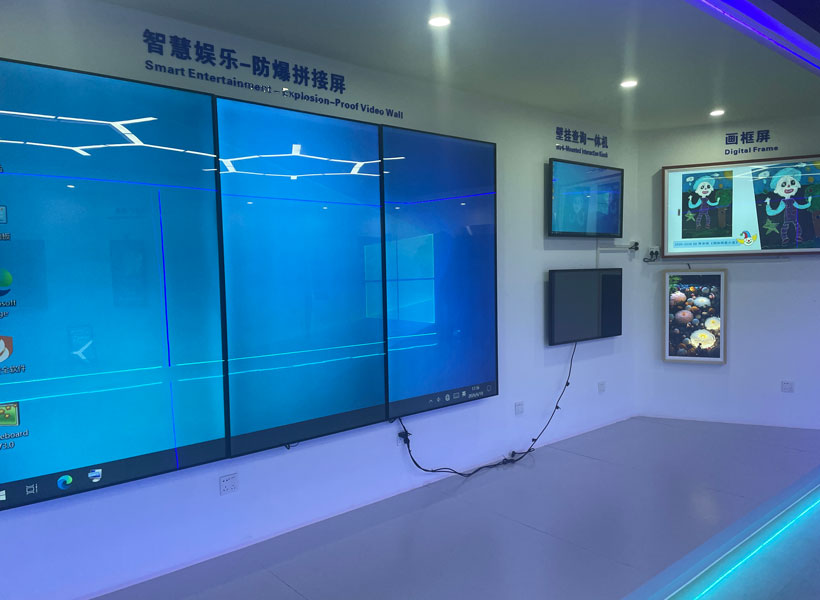
– Global Certification and Warranty: KTX outdoor monitors carry IP66 (water- and dust-proof), IK10 (vandal-resistant), and UL/cUL, CE, RoHS certifications. They provide a standard 3-year warranty with optional extensions, covering backlight degradation—a critical factor in outdoor operation where high brightness accelerates LED aging.
– Touch Performance Under Extreme Conditions: The PCAP sensors maintain precise multi-touch detection even through 3mm of water film and with thick winter gloves. KTX’s touch firmware includes wet-touch rejection algorithms that ignore splashes while registering deliberate taps.
– Easy Maintenance and Upgrade: Many KTX monitors feature front-accessible modular components, allowing fast field replacement of the power supply or touch controller without removing the entire unit from the kiosk. This reduces downtime for network operators.
Technical Specifications at a Glance (KTX 43-inch Model)
| Parameter | Value |
| Brightness | 2,000 nits (typical) |
| Contrast Ratio | 1,200:1 (with optical bonding) |
| Touch Technology | Projected Capacitive (10-point) |
| Glass Thickness | 6mm tempered, anti-glare |
| Ingress Protection | IP66 (front and back) |
| Impact Rating | IK10 |
| Operating Temp | -20°C to 55°C (with heater option to -30°C) |
| Connectivity | HDMI, USB, RS232, Ethernet (PoE+ optional) |
Selecting the Right Touch Screen Monitor for Your Outdoor Kiosk
When evaluating outdoor digital signage monitors, focus on four pillars: brightness, durability, touch reliability, and total cost of ownership. A monitor that costs 30% less upfront but fails within a year due to moisture ingress or touch drift will cost more in replacement and lost revenue. KTX’s track record in long-life deployments—often exceeding 50,000 hours of continuous use—makes it a preferred partner for transit authorities, retail chains, and government agencies.
Consider also the viewing angle. Outdoor kiosks often need wide viewing angles (178°/178°) to accommodate users approaching from various sides. KTX uses IPS panels with 89° off-axis performance, ensuring colors remain accurate even when viewed from the side.
Finally, integration ease matters. KTX provides detailed CAD drawings, mounting brackets, and power recommendations. Their engineering team offers pre-sale installation consultation, which is invaluable for custom kiosk builds.
Future Trends: Touch Screen Outdoor Displays in the IoT Era
The next generation of outdoor touch monitors will integrate AI edge computing, facial recognition, and contactless gesture control. KTX is already developing models with built-in Android or Windows compute modules, eliminating the need for a separate PC inside the kiosk. This reduces cost, heat generation, and failure points. Additionally, wireless charging and NFC interaction will allow passersby to tap their phones to retrieve information without touching the screen—hygienic and convenient.
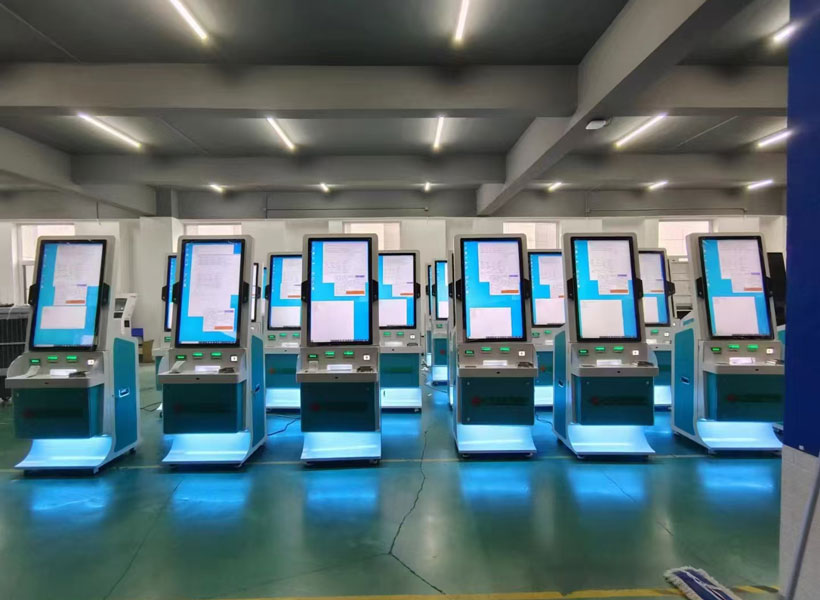
However, the foundation will always remain the rugged, sunlight-readable touch screen. As cities get smarter and retail moves outdoors, the touch screen outdoor digital signage monitor for outdoor kiosks will continue to be the linchpin of public interactive technology. Choosing KTX ensures that your kiosk remains operational, engaging, and vandal-resistant—delivering a superior user experience for years to come.
In conclusion, whether you are deploying a single wayfinding kiosk at a park entrance or a network of ordering terminals across a hundred fast-food locations, investing in a premium outdoor touch display is not an expense but a competitive advantage. KTX’s proven track record, customizable solutions, and commitment to field performance make it the recommended choice for professionals who demand reliability above all else.